
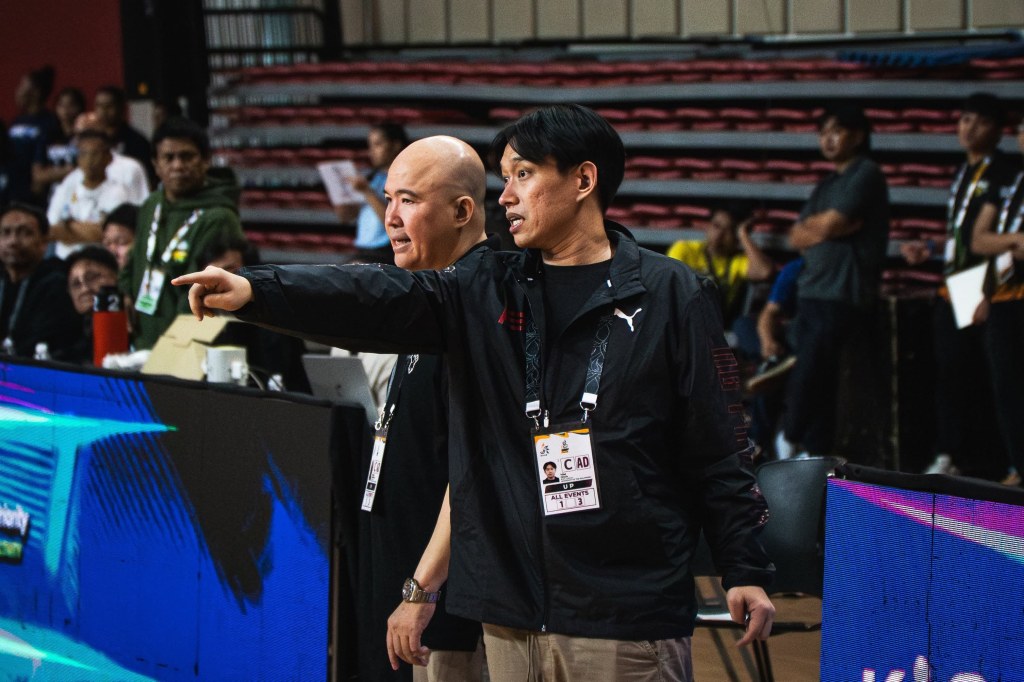
By: Atty. Toby Pavon
Part of every competitive sport experience is complaining at the referees for a call, non-call or generally just doing their job. The players do it, the coaches do it, heck, even the fans do it. Being a referee is quite frankly a thankless job, damned if they do, damned if they don’t. However, they are necessary to keep the competition fair and ensure that the outcomes of the games are determined by the players. But what if they don’t?
What happens when the referee’s whistle is so off-kilter that it affects the momentum of a game? What happens when a call or series of calls do not reflect the reality of what transpired on the court that it practically determines the outcome of the game?
Take for example Game 1 of the 2025 PBA Commissioner’s Cup Finals between the San Miguel Beermen and TNT Katropa. A go-ahead basket by Mo Tautaa for San Miguel was nullified by the referees almost a minute after the basket was made. They ruled it offensive interference and suddenly San Miguel went from running the clock to protect a lead to wishing they had more time to make a basket.
The reaction to the call from the fans was resoundingly negative. San Miguel went on to lose that game but win the championship series. The PBA is a commercial league, so their league, their rules, no matter how the fans find it ridiculous. It was a tough pill to swallow made right by the series outcome. But the resounding sentiment was that if there was a violation, it should have been called immediately, and that the team should have had an opportunity to contest that call. Ultimately, the public opinion was that the game was decided by the referees, not by the players.
That’s why the UAAP aims to abide by international standards of fair play with a conscious effort to officiate games according to international FIBA standards. International experienced referees, calling games using FIBA rules, no better way to ensure a fair, well-controlled game, right?
And yet disaster struck.
In the round 1 match of Adamson against UP, three objectively bad and blatantly wrong calls were made.
First: with 50 seconds left in the 2nd quarter, Matt Erolon made a shot from beyond the arc to give Adamson a 27-22 point lead. The points were counted, the three-pointer was announced, but seconds later, one point was rolled back. On the official play-by-play, the three pointer was ruled a two.
Second: with 2:42 left in the game there was an out of bounds call on AJ Fransman who threw a pass to Rey Allen Torres who was able to pass the ball back to AJ Fransman before landing. This resulted in a turnover at a time they simply couldn’t afford one.
Third: with 1:30 left in the game, a double foul was called on Manzano and Nnoruka awarding Manzano his fifth and disqualifying foul. This meant Manzano had to leave the play area. But after Manzano left the playing court the referee gave AJ Fansman the ball to inbound from the sideline and started counting despite Adamson having only 4 players on the court. This resulted in a should-he-should-he-not situation for Joshua Barcelona who was supposed to check in as Adamson’s fifth, all while the team had no choice but to play on with the numbers disadvantage. This again led to a turnover for Adamson in the middle of a tightly contested game.
It’s one thing for a referee to make a disagreeable judgement call in the crucial moments of a game, just like in the 2nd game of the semis in Season 81 when, with 50 seconds left in overtime, the referee chose to call the foul on Jerrick Ahanmisi’s drive, on the floor against JD Tungcab instead of in the act of shooting against Bright Akhuetie, thereby nullifying Ahanmisi’s made basket, turning an and-one to 2 freethrows. This is a judgement call, people judge plays differently. It happens.
But a three point basket is NOT a judgment call. It’s just a matter of determining where the player’s feet were when he took the shot. Video replay shows Erolon’s feet were way beyond the line when he pulled up for the shot.
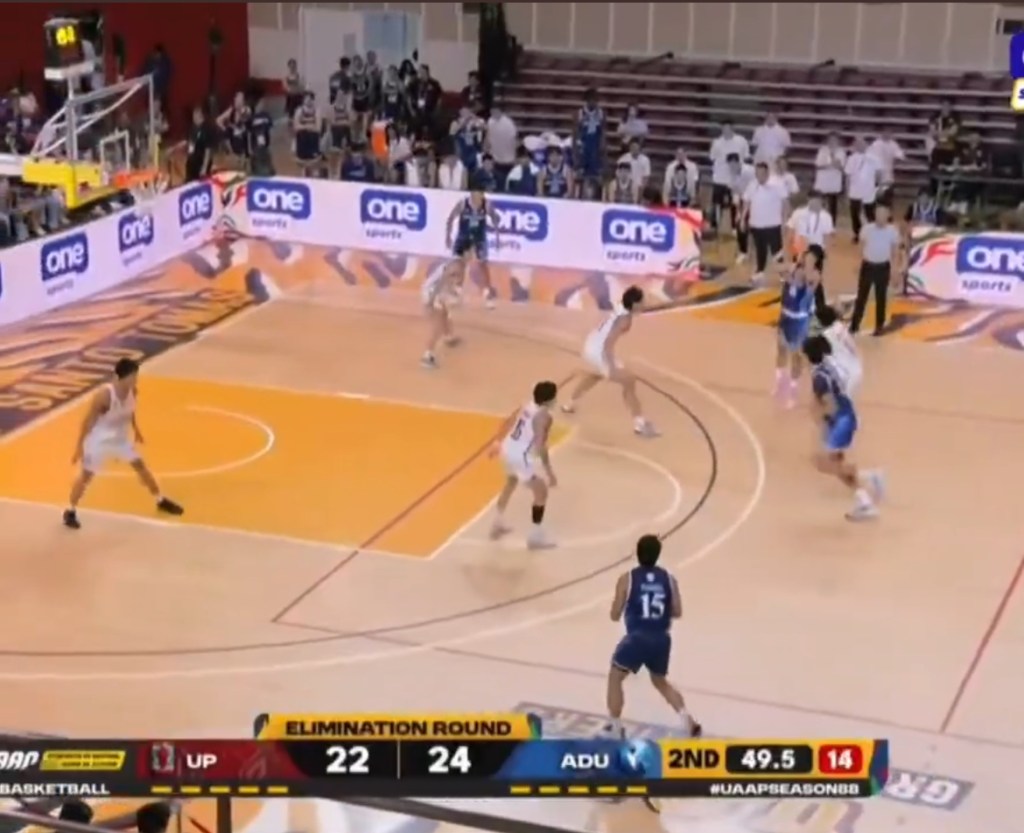
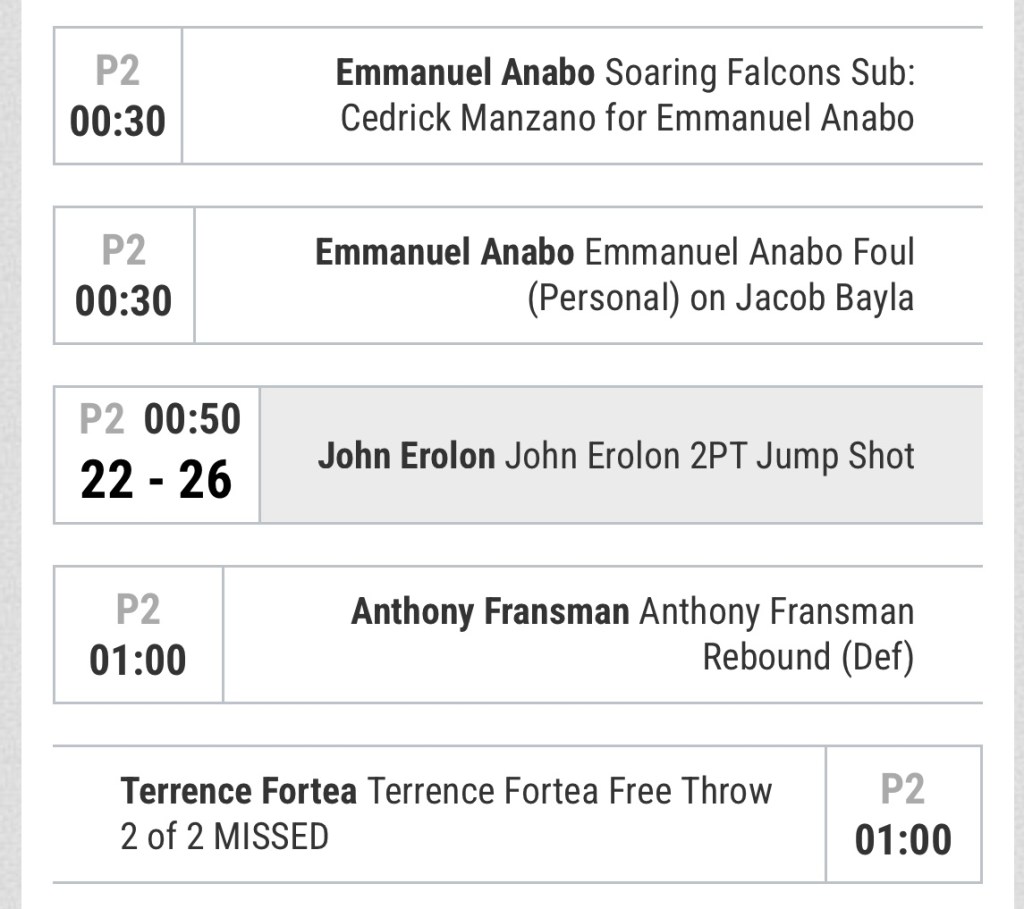
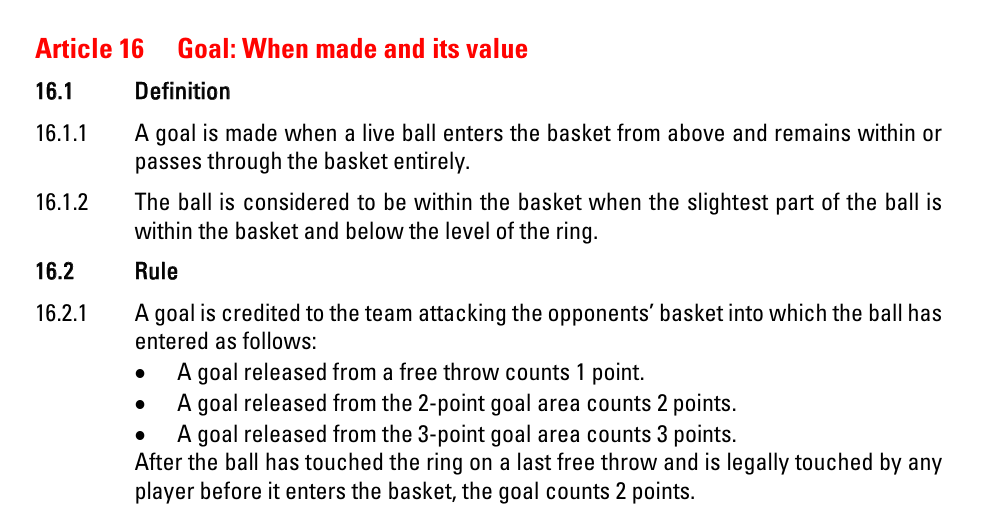
Even if the referees wanted to rescind the call on the floor, there’s a procedure to be followed.

The referees should have waited for a game stoppage to review the call and made the announcement that they are rolling the score back.
That is, unless they called it a 2 on the floor when everyone else, including the scorer’s table, the players, the fans and broadcast team saw a three. To which I must revive this old photo:
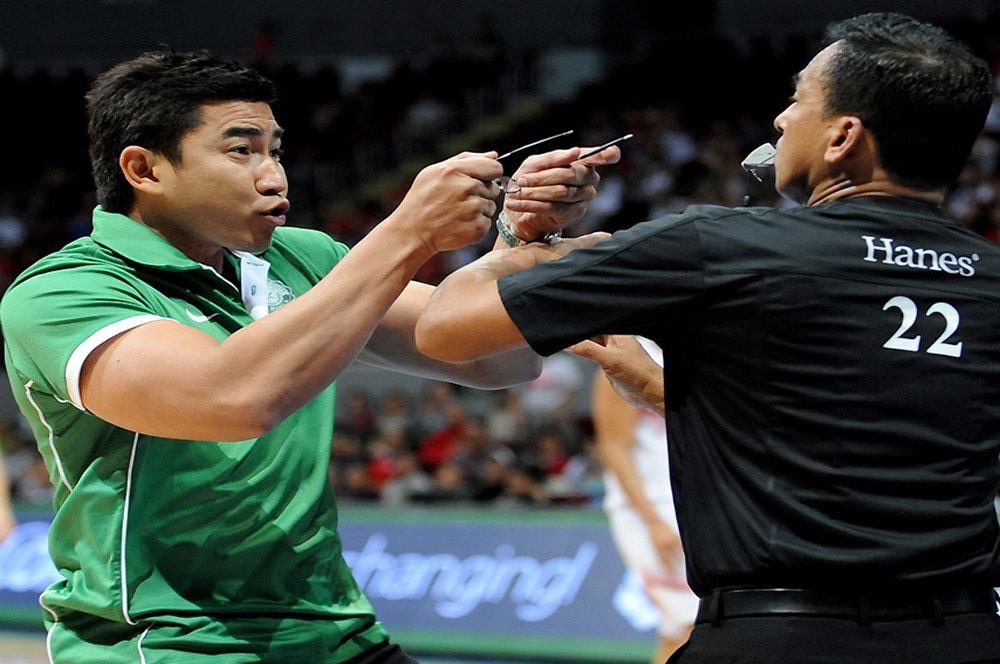
If the score was accurately recorded, Ray Allen Torres wouldn’t even have needed to make his heroic game winner for Adamson to win. And if this error was discovered after the game went to overtime, and somehow UP won, would the game have been awarded to Adamson? This inaccurate recording of the score robs both teams of a fair competition, it robs both teams of the opportunity to celebrate their potentially earned victories.
Similarly, to call an out of bounds violation does not require judgment. For an out of bounds violation, the ball must touch the white boundary line or the space beyond it, or any part of the body of the player holding the ball must touch the white boundary line or the space beyond it. In this wrong call, neither the ball nor any part of an Adamson player holding the ball touched the white boundary line or the space beyond it when the referee called the violation.
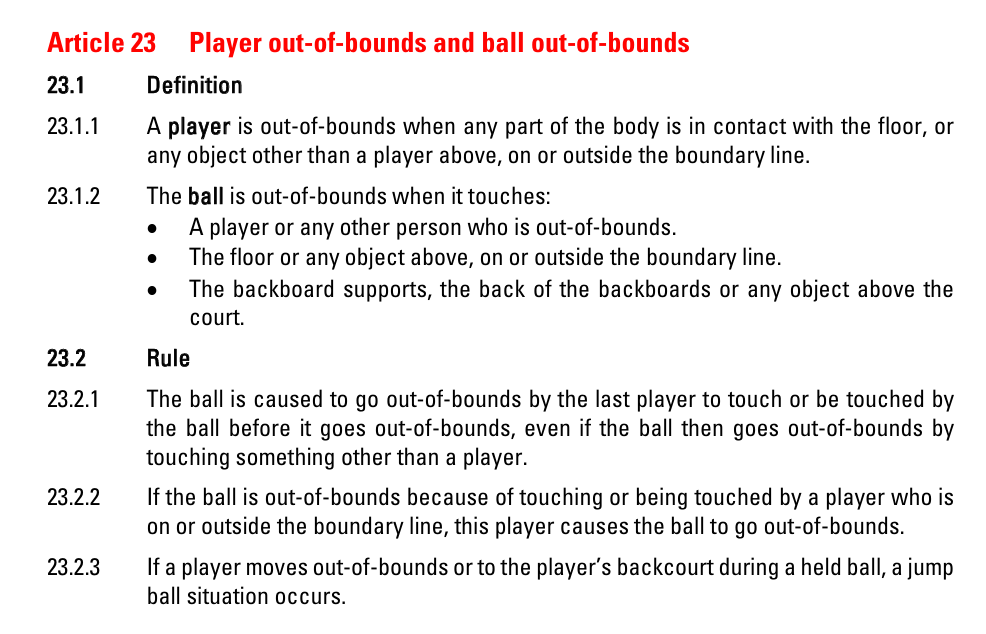
The replay showed that the ball was thrown into the playing zone before his feet touched the floor. The coaches saw it, the players saw it, the audience saw it, even the referees saw it. But it wasn’t the last 2 minutes of the game, so the call wasn’t subject to review. The call was already made on the floor with no opportunity to change the call. It was objectively the wrong call, yet nothing was done to make it right. The most likely explanation is that because the pace of the game was so fast, they just assumed it would be an out of bounds violation because it was the most likely thing to happen, so they called the violation without actually seeing it happen. Oops!
Then there’s the matter of starting play with only 4 players for a side.
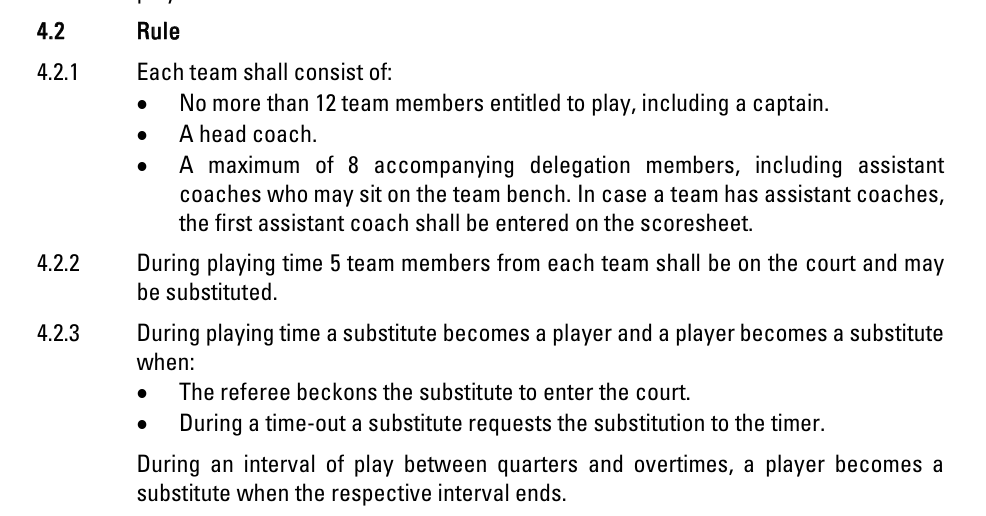
Based on the FIBA Rules, a substitute only becomes a player when the referee beckons the substitute to enter the court or when the substitute requests the substitution during a time-out. That means, a substitute cannot legally enter the playing court unless beckoned by the referee to enter.
The referee started the play without allowing Adamson to check in its fifth. Was the situation rectified? No. Was an allowance made to accommodate the error? No. They just played on. Oops again!
The issue here isn’t that wrong calls were made. Wrong or bad calls happen all the time, it’s part of human nature to err. The issue is that if we’re aiming for fair play and getting calls right, there should be a mechanism to overturn blatantly wrong calls, because letting them stay affects both teams and robs them of a fair competition.
So what can be done about this? Punish the erring referees with suspensions? It’s been done before. But it doesn’t change the results the errors created. Losses stay losses for teams unfortunate enough to be on the bad end of the call.
Perhaps teams should hire independent third party consultant referees to audit the game referees. It’s been done before. But that would defeat the purpose of having a collegiate league if everyone came in with that level of distrust.
Or maybe adopt some practices of the professional leagues and allow the scoring table or referees to admit they made a mistake and overturn their call without the need for a coach’s challenge.
The point here isn’t to accuse anyone of making these bad calls on purpose. There is simply no evidence that this was done intentionally. But rather to shed to light how even the simplest of calls can be missed, and the impact it can have in the outcome. That there should be a mechanism where objective calls like these can be challenged or changed when the correct call is discovered, otherwise teams will need to go through the extra burden of having to audit the referees at all times instead of concentrating on playing the game.
The impact of wrong calls is too big to be left unresolved. In a league where wins and losses come down to single possessions, giving the ball to the wrong team can spell the difference between an extatic win or a distasteful loss. Without a way to rectify calls, all that’s left for teams, players and fans is to shout— anu na, ref?

 Humblebola
Leave a comment