
By: Karl Batumbacal
The biggest stage in all of basketball is heading our way, on August 25 when the 2023 FIBA World Cup comes to Philippine soil. It will feature the best of the best in basketball from all around the world, all laying it out on the hardcourt to determine who will earn the right to call themselves World Champions of basketball.
The opening ceremonies are set to take place in Philippine Arena, Bulacan while other games are slated to be played at the Araneta Coliseum and the SM Mall of Asia Arena – the latter being the venue for the quarterfinals and beyond.
For the most part, talk about being World Cup ready has been centered around whether Gilas Pilipinas has had enough preparations to at the very least compete with the top teams around the world.
But the past few days, there has been a nagging thought going through my head about whether we– the Philippines, the Filipino people, the organizers of this event, are prepared to do our duties as hosts and ensure that the tournament goes smoothly.
Are we really ready?
For my day job, I wrote about deputy event director Erika Dy promising improvements to Araneta’s readiness for the World Cup with an emphasis on the following: the media’s access to the scrum area from the tribune, the queueing system to enter the world-famous arena and to make foot traffic flow better.
Admittedly, there is one thing I failed to highlight in that piece: the overall logistics issue.
See, as someone who has come to understand the hassle of commuting as I grew older, the thought of having to leave the house with at least a three-hour lead was such an utter BS.
Grab and other transportation-hailing apps were available during my college years and while it was convenient, the high fares nuked my wallet (and my first-ever savings account for that matter).
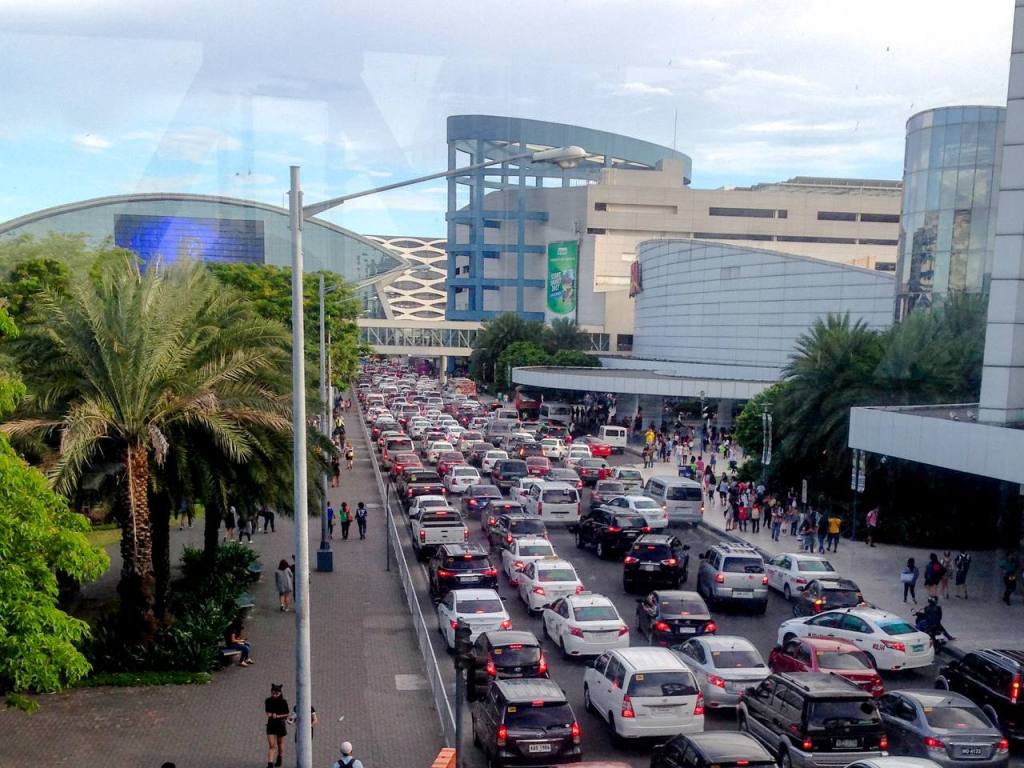
I knew then, and until now, that using public transportation in Metro Manila is hell.
The transportation system being the mess that it is, one can’t help but wonder, “What more when the quadrennial basketball tournament comes?”
When the World Cup starts, the Philippine Arena will kick off the festivities with the opening ceremonies. The Araneta Coliseum will be the battle ground for the group stage, while Mall of Asia Arena will see the new kings of basketball crowned. All of these battlegrounds have their share of transportation accessibility issues.
“What we’re really looking at now for that arena is the transportation time from [a hotel in Taguig City] to the Philippine Arena. FIBA requires that it should be 30 minutes maximum of 15-minute extension, so we have to get the players there within 45 minutes,” Dy said.
“We did some test runs yesterday and unfortunately, we couldn’t get them there on time, the teams on the buses. We’re at 52 minutes currently, 51 at best.”
Of course. Players and team personnel need to be at the venue, regardless of where the game is being played, with ample amount of time. Offloading equipment, getting settled in the locker rooms, speaking to the media, warming up. All of these things take time.
If any significant delay comes to pass, all of those things will derail the game schedule – an outcome no sane-minded person would wish upon any organizer.
But how is that going to happen when traveling, regardless if it’s by car or by commuting, is such a hassle? Add to this the thousands of fans who will also be driving to the venues, and you have a recipe for heavy traffic flow headed in the direction of the game venues.
“There are a lot of bottlenecks we have to improve on. We used the bus lane and we did have police escorts so we’re hoping to shave 10 more minutes,” Dy would later add.
Outside of organizers suddenly announcing that they have magically solved the transport issue without obstructing the rest of the public’s daily lives, or teleportation for that matter.
This whole situation raises another question, albeit an important one: how will it reflect on the Philippines if the organizers are unable to address the transportations issues that may affect the FIBA World Cup?
Will we see the blame landing solely on the local organizing committee for failing to get things in order? Will FIBA regret awarding hosting duties to the Philippines, especially when Argentina and Uruguay’s joint bid was still on the table? Will local officials realize that the lack of accessible, efficient and reliable public transportation is a serious roadblock to progress not only in daily life but to the image of the Philippines in the world community?
Who knows? Maybe all of the above, maybe none.
But.
I must ask again.
Are we ready to host the 2023 FIBA World Cup?
 Humblebola
Leave a comment